History of High-Waisted Trousers
If you're here, you're probably a fan of vintage clothing! Our collection prominently features high-waisted trousers for both men and women.

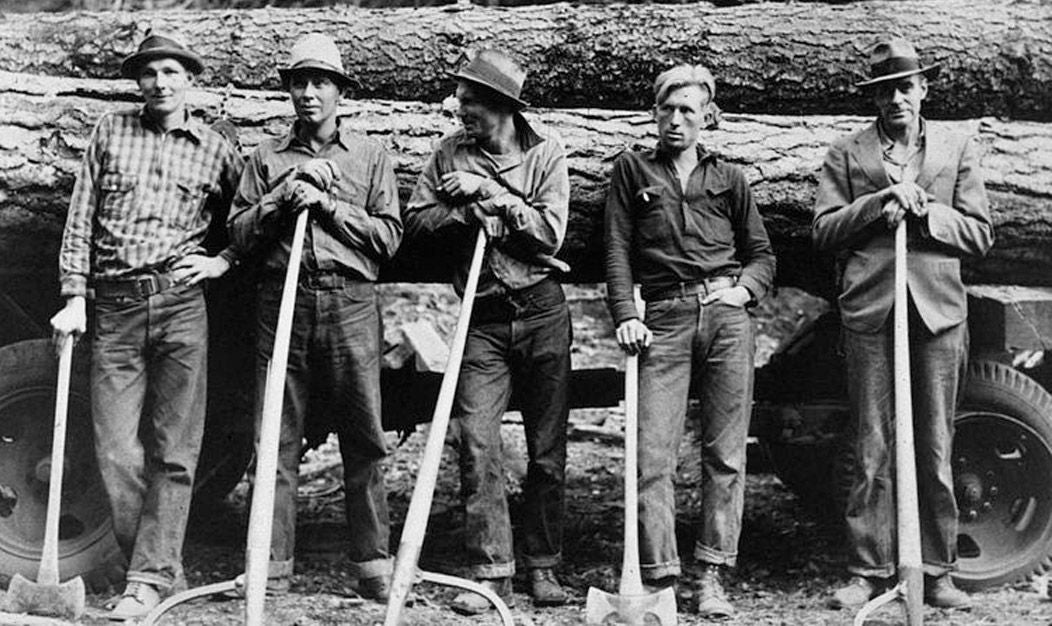
Fashion trends evolve over time, but men's trousers in the 1920s -1940s were notably high-waisted, full around the hips, and had long, wide, column-like legs. Cuffing the hem was also popular. This wide-leg trend began in the ’20s, gradually narrowing through the ’50s, while high-waists remained fashionable until the early 1960s.
The overall fit and silhouette of the clothing from these decades also played a significant role in shaping the style. Men's trousers came in patterns like plaid, herringbone, check, tweed, windowpane, and stripes, suitable for both business and casual wear. Some trousers featured pleated fronts for added fullness.
Men’s trousers often matched a suit jacket or were paired with a contrasting sport coat in a darker colour, enhancing the vintage aesthetic with perfect fullness and detail.
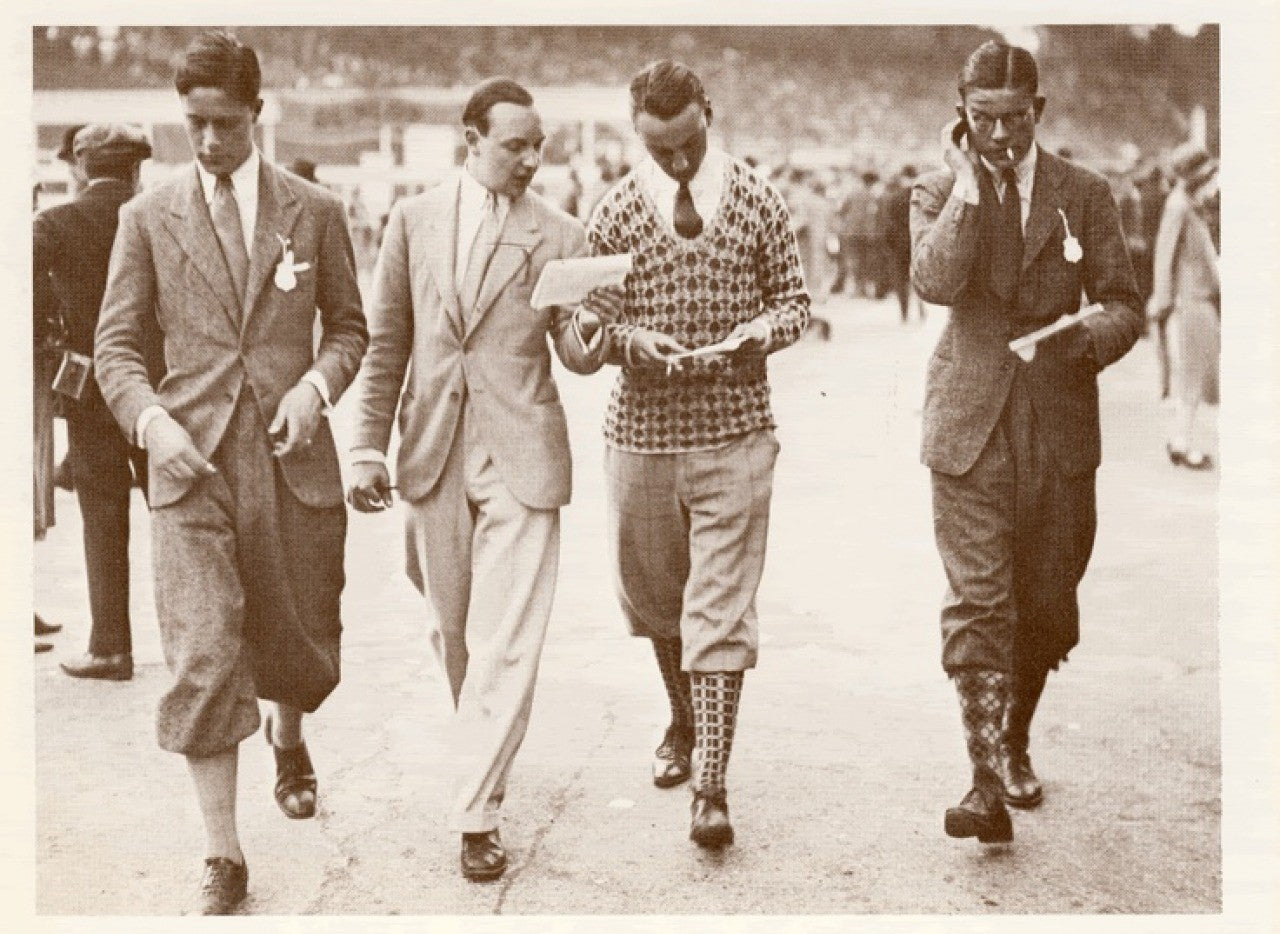
Younger men started to wear less formal clothes. Baggy Plus-4s were worn with fancy patterned pullovers and matching long socks.
Women in the 1930s didn’t wear trousers often, but for summer days at the beach or sporting activities, pants were not only acceptable but highly fashionable! A popular daywear outfit included high-waisted, wide-leg pants paired with a striped sailor top.


We’ve meticulously replicated these trousers for both men and women so you can achieve an authentic vintage look.